Process safety technical articles
Get our latest insights here
Explore detailed technical guidance, process safety best practices and engineering-focused insights written by our subject matter experts.
Process Safety Articles
Our process safety technical articles provide in-depth guidance, expert insights and practical knowledge to support safer, more efficient operations across high-risk industries.
Here, you’ll find detailed analysis on process safety, risk management, compliance and engineering best practices – all written to help teams improve decision-making, strengthen safety culture and stay aligned with industry standards.
COMAH tier calculations look simple but rarely are. Understand the 2% rule, the aggregation rule and hazard-type summation, and when to get expert help.
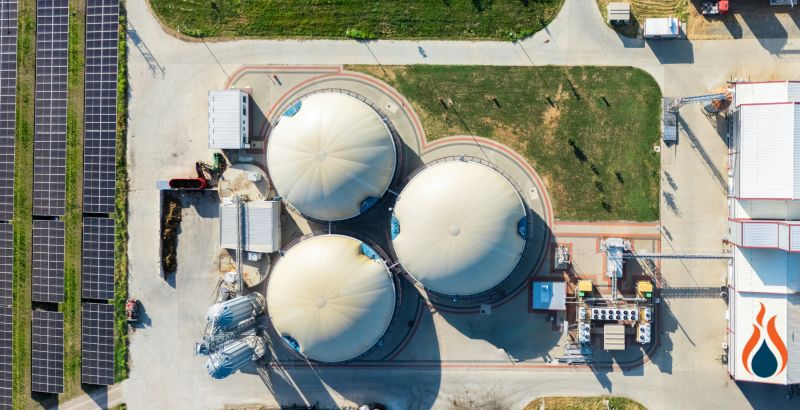
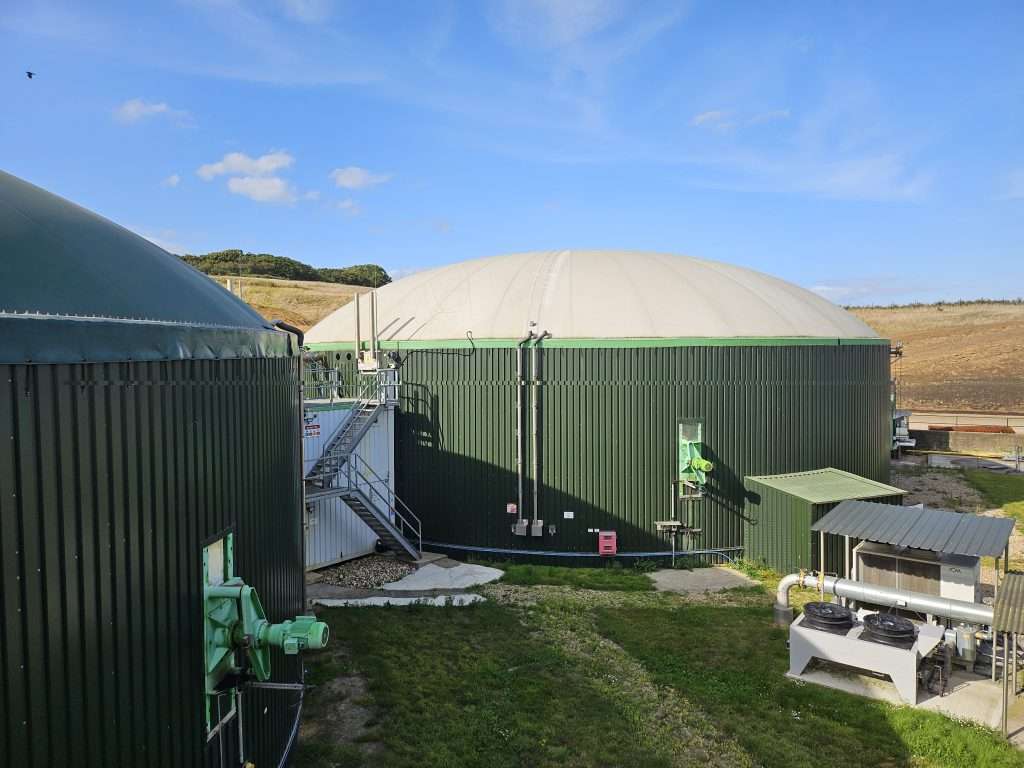
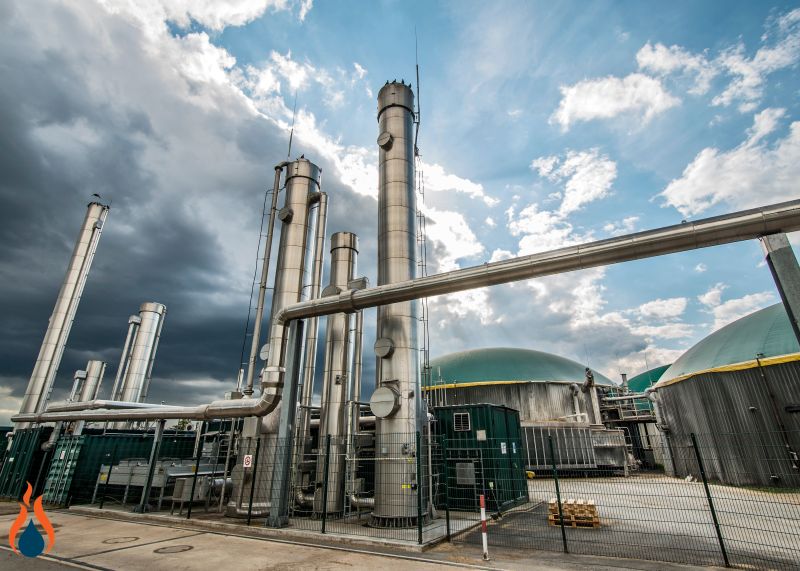
An anaerobic digestion facility required clarity on its obligations under the Control of Major Accident Hazards (COMAH) Regulations, particularly in relation to the quantity of dangerous substances handled onsite, this is how we helped.
A major oil terminal operator engaged OTECSA to review an existing DSEAR risk assessment relating to the demolition of crude oil a storage tank at one of its terminal sites.
Wondering how much combustible dust testing costs? Discover typical UK prices, what affects testing costs, and how to determine which tests your site needs.
Find out when dust flammability testing is required, why published dust explosion data may not apply to your process, and how testing supports DSEAR compliance.
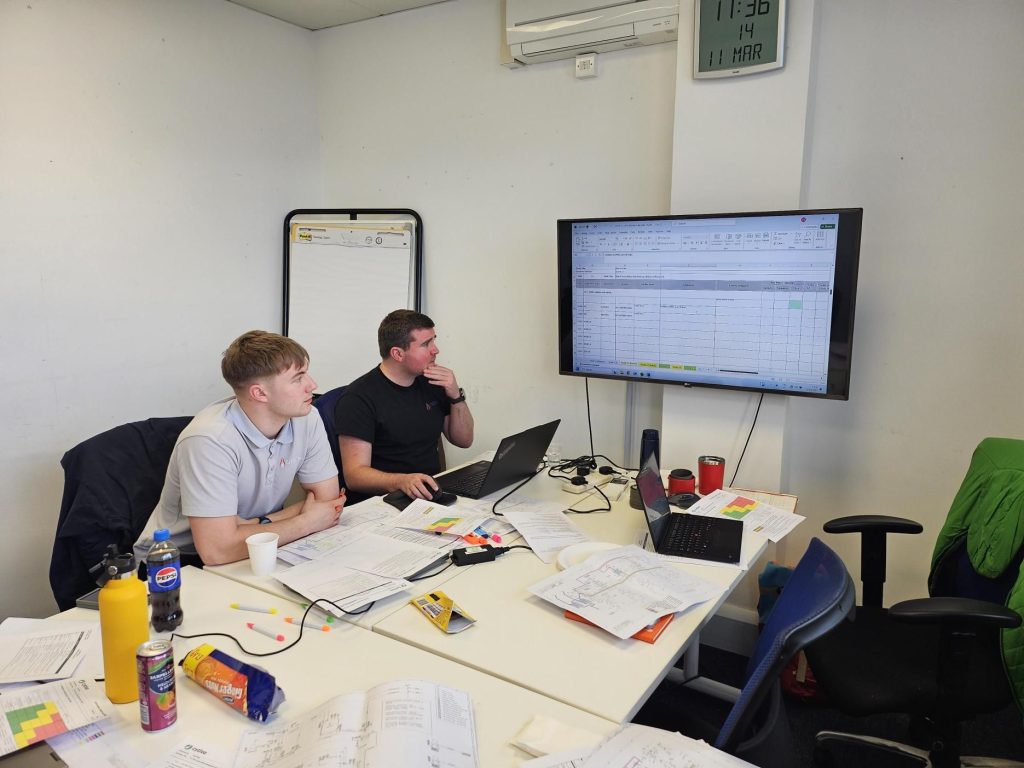
Learn what HAZOP action sign off involves, why simply closing an action is not enough, and how to verify that recommendations have been properly implemented.
Understanding flammable liquid separation distances is essential for safe storage design. Learn what HSG51 and HSG176 recommend for tanks, containers, and ignition sources.
When calculating tank bund capacity, can you take credit for liquid remaining in tanks that have not failed? Learn what HSG176 says and how bunds should be sized.
Learn how OTECSA carried out a COMAH tier classification assessment for an anaerobic digestion facility, helping the client understand regulatory thresholds and plan for future growth.
Understanding LOPA terminology is essential for anyone involved in Layer of Protection Analysis. Learn what SIL, unrated results, and IPLs mean in practice.
Completing a HAZOP study is only the beginning. Discover the key steps involved in HAZOP action close out and turning recommendations into improvements.
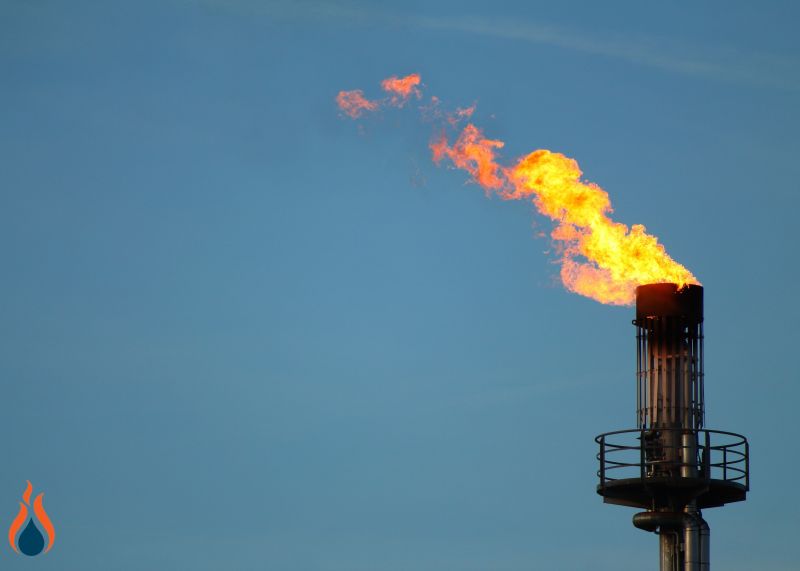
What flare separation distance should be used? Explore the standards, modelling requirements, and risk based approach used to determine safe flare siting.
Major Hazard Human Harm Risk Assessment has been developed as a comprehensive guidance document by CDOIF. It is coming as "best practice" for CoMAH regulated sites.
Discover how OTECSA Consulting Ltd. delivers expert PHAST modelling services to support process safety, consequence analysis, COMAH compliance, DSEAR assessments, and informed risk management decisions.
This HAZOP and LOPA case study explores a fuel depot BPCS upgrade, identifying fuel release hazards, reviewing safeguards, and confirming proportionate protection measures.
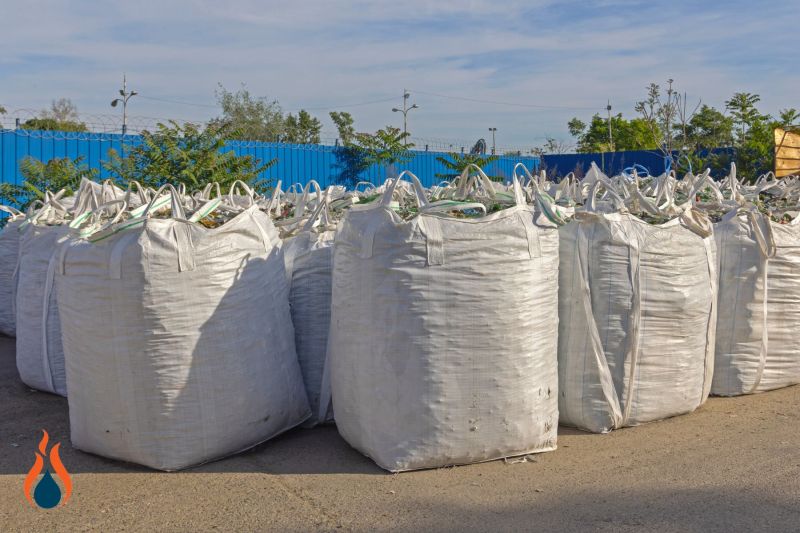
Choosing the correct FIBC is essential when handling dry goods that can generate static electricity. Learn the differences between Type A, B, C, and D bags and how to reduce ignition risk.
Process safety myths can lead to dangerous assumptions and overlooked risks. This article explores common misconceptions and highlights how proactive risk management and strong safety culture improve performance.
Why does my DSEAR RA cost so much? This is a question we rarely get directly asked, but we can definitely tell that clients are often bursting to ask when they receive quotes for these studies.
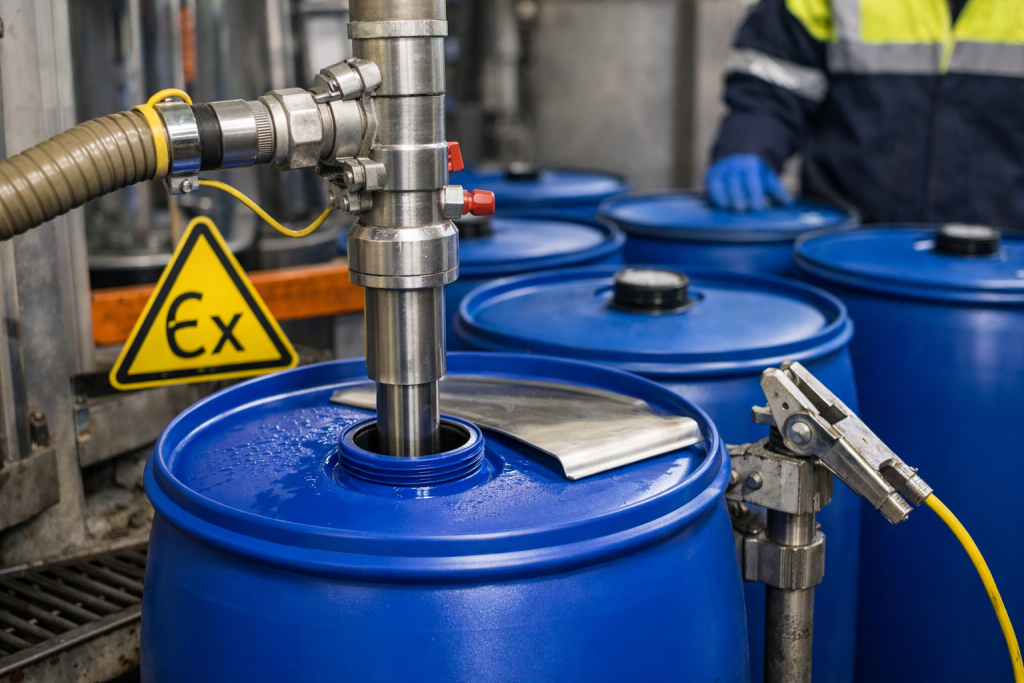
Reducing hazardous area zoning can significantly lower capital and operating costs. This article explains practical ways to minimise or downgrade ATEX zones for liquids, vapours and dusts.
Thank you for visiting our technical articles hub. Here, we share practical insights and expert guidance to support safer and more compliant operations. Our team at OTECSA Consulting provides clear, reliable information to help organisations strengthen process safety and reduce risk.
Whether you want to understand DSEAR requirements, learn more about HAZOP studies, or explore wider process safety management topics, you’ll find a range of useful resources on this page.
We update this section regularly with new process safety technical articles, industry best practices and emerging trends. Check back often for fresh insights. If you’re ready to improve safety performance within your organisation, our team is here to help.
Together, we can support safer workplaces and build a stronger foundation for long-term success.
Get in touch
Interested in staying up to date with news and Safety Consultants Scotland? Use our contact details, or fill out the form below to get in touch with us.