What Happens After a HAZOP Study?
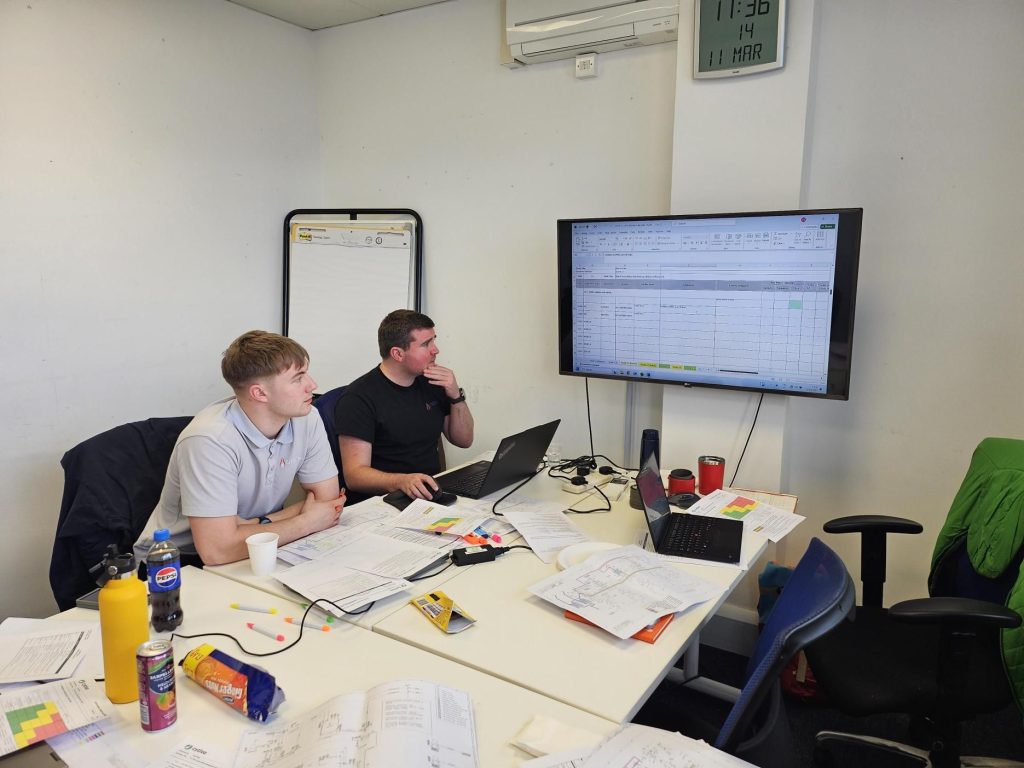
Completing a HAZOP study is only the beginning. Discover the key steps involved in HAZOP action close out and turning recommendations into improvements.
What Separation Distance Should Be Used for a Flare?
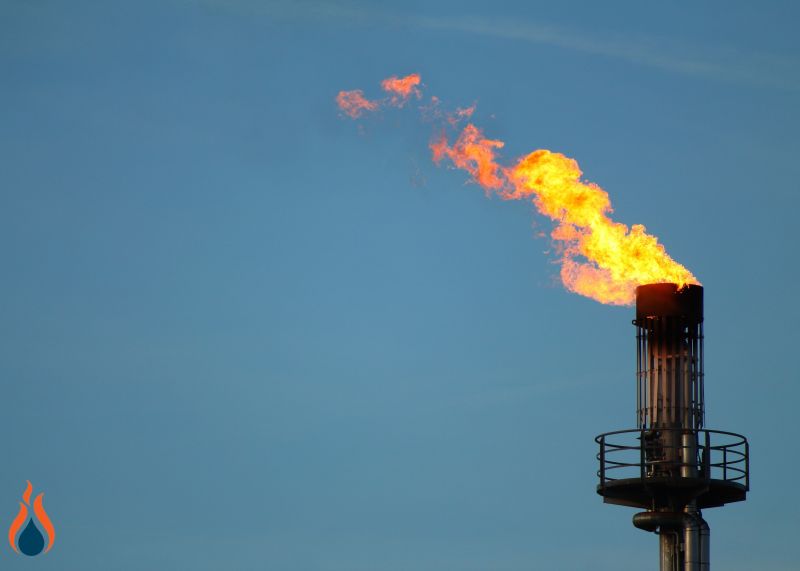
What flare separation distance should be used? Explore the standards, modelling requirements, and risk based approach used to determine safe flare siting.
Can a Chemical Engineer Become a Safety Officer?

A common question within industry is whether a chemical engineer can move into a safety or HSE role. Here we answer this question.
How Often Should Bunds Be Inspected and Tested?

How often should bunds be inspected and tested? Explore risk based bund inspection frequency guidance, engineering assessments, and operator checks.
PHAST Modelling Services for Process Safety and Consequence Analysis
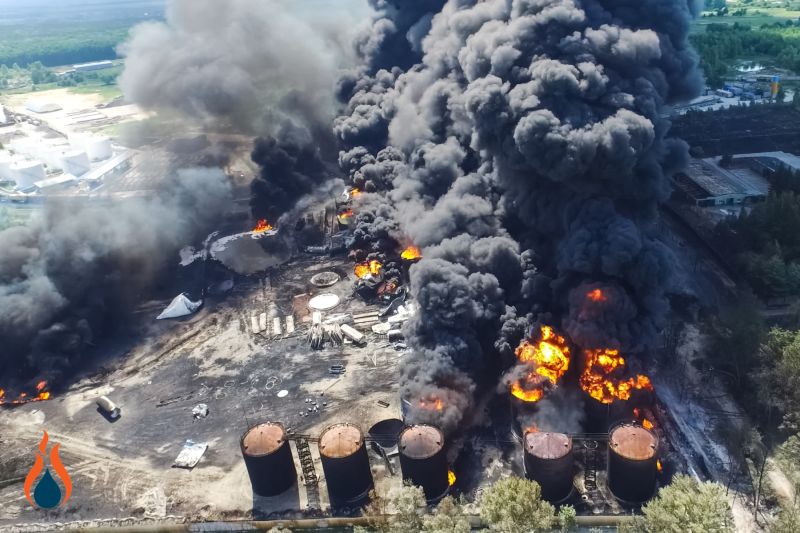
Discover how OTECSA Consulting Ltd. delivers expert PHAST modelling services to support process safety, consequence analysis, COMAH compliance, DSEAR assessments, and informed risk management decisions.
HAZOP and LOPA Case Study: Fuel Depot BPCS Upgrade

This HAZOP and LOPA case study explores a fuel depot BPCS upgrade, identifying fuel release hazards, reviewing safeguards, and confirming proportionate protection measures.
Choosing the Correct FIBC for Static Sensitive Materials
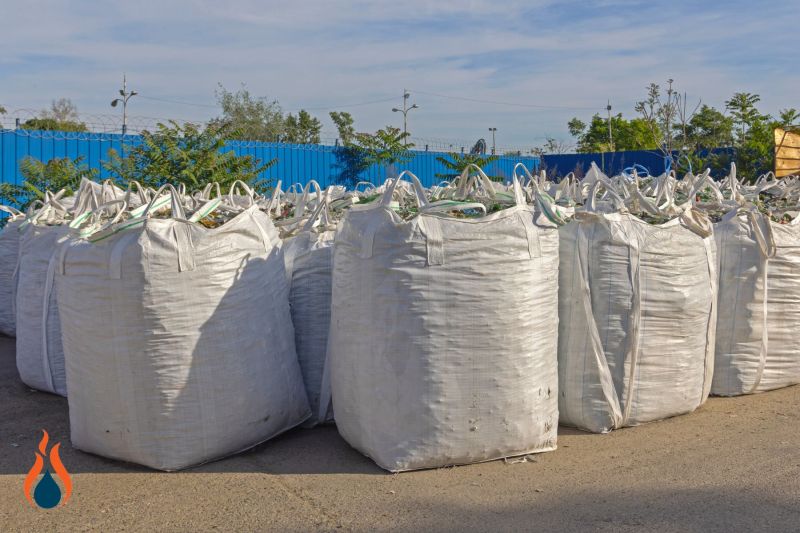
Choosing the correct FIBC is essential when handling dry goods that can generate static electricity. Learn the differences between Type A, B, C, and D bags and how to reduce ignition risk.
Process Safety Myths Debunked: What Every Engineer Needs to Know

Process safety myths can lead to dangerous assumptions and overlooked risks. This article explores common misconceptions and highlights how proactive risk management and strong safety culture improve performance.
Vent Design for Atmospheric Vessels to Prevent Overpressure

Vent design for atmospheric vessels is key to preventing overpressure. Learn common causes, vent sizing principles, and maintenance best practices.
Electrostatic Risk Assessment for HDPE Drum Filling Case Study
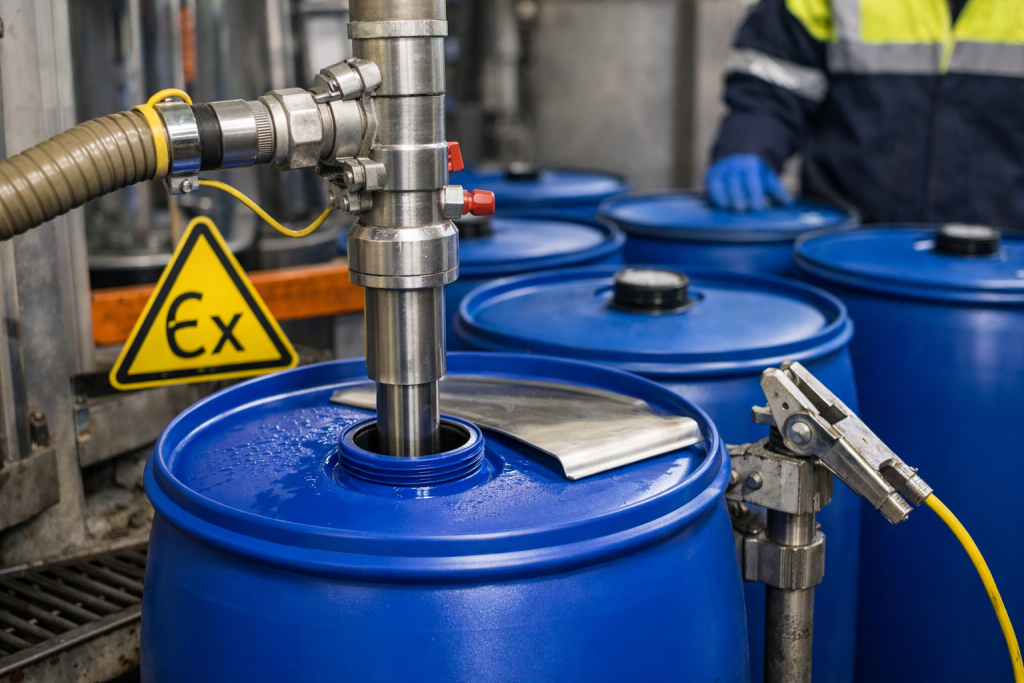
A case study on electrostatic risk assessment for HDPE drum filling, highlighting ignition risks, compliance challenges, and practical controls.